



Culture
Sam Cooke: A Voice That Changed America and Still Echoes Through Culture
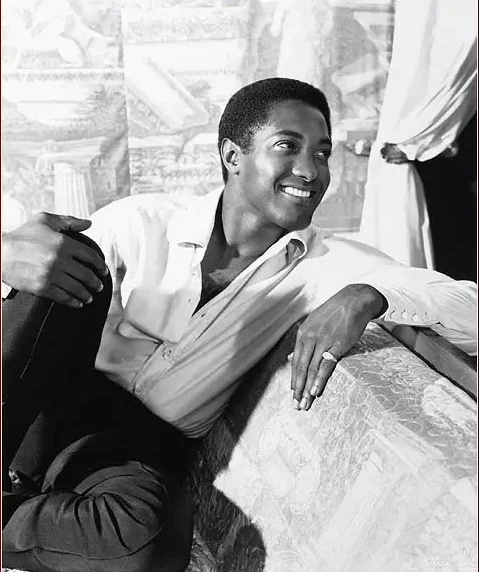
Sam Cooke wasn’t just a singer. He was a movement. A moment in time. A blueprint for what it means to own your voice, your art, and your future. When people talk about legends, the word gets thrown around too loosely. But Sam Cooke earned it. Not through hype, not through branding, but through soul, courage, and vision at a time when simply being a successful Black man in America was an act of resistance.
For me, Sam Cooke is personal. The first time I truly heard “A Change Is Gonna Come,” I didn’t just listen to it—I felt it. The kind of feeling that makes you stop what you’re doing and just sit with the song. I didn’t know all the history yet. I didn’t know the politics, the industry battles, or the risks he took. I just knew that voice carried something heavy. Something honest. Something that sounded like hope mixed with pain. Later, when I heard his version of “Blowin’ in the Wind,” originally by Bob Dylan, it hit differently. Sam didn’t just cover the song—he transformed it. He made it sound like it was written by a Black man living inside the questions Dylan was asking.
That’s the power of Sam Cooke. He didn’t just sing about change. He embodied it.
One of the moments that truly sealed “A Change Is Gonna Come” for me was hearing it in the Malcolm X movie. That scene didn’t feel like a soundtrack choice — it felt like a historical echo. The song played and suddenly Sam Cooke’s voice wasn’t just music anymore, it was memory. It felt like the pain, the hope, the struggle, and the dignity of an entire generation were speaking through one voice. Watching that film, knowing Malcolm’s fate, knowing the weight of that era, the song hit different. It sounded less like optimism and more like a quiet promise that even through loss, something greater was still coming. That’s when I realized Sam didn’t just make a song — he made a spiritual record of Black history.
From Gospel to Global Icon
Sam Cooke’s journey began in gospel, with The Soul Stirrers, one of the most respected gospel groups of the time. In the Black church, Sam learned how to move people—not just entertain them. His voice was smooth, controlled, emotional, and spiritual. But when he crossed over into secular music, it wasn’t an easy decision. Gospel was sacred. Pop music was seen as selling out.
But Sam saw something others didn’t. He saw reach. He saw influence. He saw ownership.
Songs like “You Send Me,” “Twistin’ the Night Away,” “Cupid,” “Bring It On Home to Me,” and “Wonderful World” didn’t just dominate the charts—they reshaped what popular music sounded like. Sam Cooke helped invent soul music as we know it. He blended gospel emotion with pop structure and R&B rhythms, creating a sound that spoke to both Black and white audiences without compromising authenticity.
He made vulnerability cool before it was fashionable. He made love songs sound intellectual. He made sadness sound beautiful.
And he did it all in less than a decade.
One of the First Black Artists to Own His Work
What truly separates Sam Cooke from most artists of his era—and even many today—is that he understood business.
At a time when Black musicians were routinely exploited by record labels, managers, and publishers, Sam demanded ownership. He founded his own publishing company and record label. He controlled his masters. He negotiated his contracts. He built infrastructure.
This was unheard of in the early 1960s.
Sam Cooke wasn’t just fighting for royalties—he was fighting for generational power. He knew that owning your work meant freedom. It meant no one could erase you, silence you, or rewrite your legacy. In today’s world, where artists talk about masters, streaming rights, and independence, Sam Cooke feels like the original blueprint.
Before Jay-Z.
>Before Prince.
>Before Nipsey Hussle. There was Sam Cooke.
He showed that artistry without ownership is just another form of labor.
A Change Is Gonna Come: The Sound of the Civil Rights Era
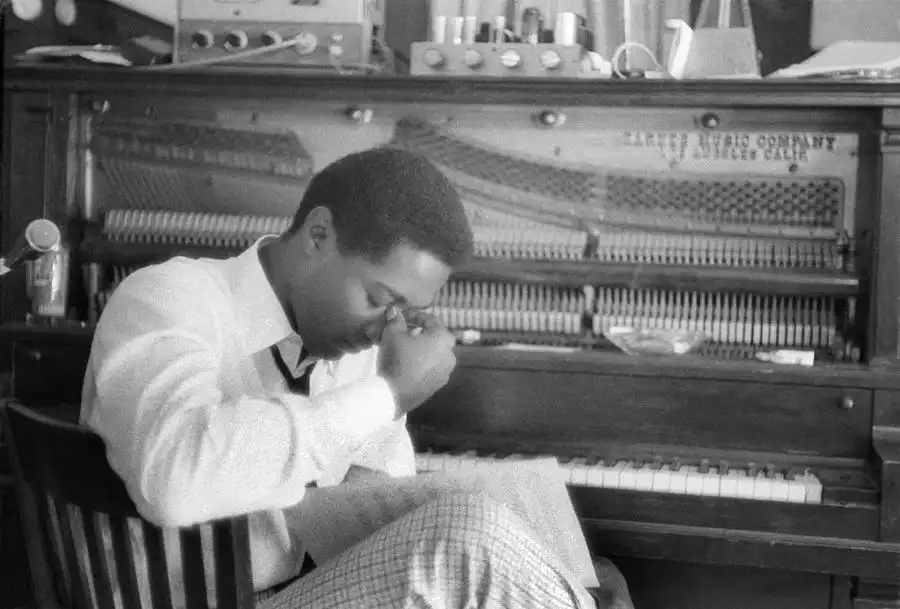
“A Change Is Gonna Come” is more than a song. It’s a historical document.
Sam wrote it after being turned away from a whites-only motel. He was tired of smiling through humiliation. Tired of success not protecting him from racism. Tired of watching his people suffer while he sang love songs on TV.
The song isn’t angry. It’s patient. It’s weary. It’s hopeful. It sounds like someone who’s been waiting a long time but still believes tomorrow might be better.
That’s what makes it timeless.
Every time there’s a social movement—civil rights, Black Lives Matter, voting rights, economic justice—this song returns. Because it doesn’t belong to one generation. It belongs to all of them.
For me, hearing that song growing up felt like discovering a hidden truth. Like realizing that music could carry memory. That it could speak for people who no longer can. That it could hold grief and optimism in the same breath.
Sam Cooke didn’t write a protest anthem. He wrote a survival anthem.
Blowing in the Wind: When Sam Cooke Reclaimed the Question
Bob Dylan’s “Blowin’ in the Wind” is already iconic. But Sam Cooke’s version feels different. It feels lived in. Dylan asked the questions. Sam carried the weight of the answers.
When Sam sang:
“How many years can some people exist
Before they’re allowed to be free?”
It wasn’t abstract. It wasn’t poetic. It was literal.
Sam’s version turned a folk song into a soul confession. It made civil rights sound personal. Not political. Not theoretical. Personal.
That’s what Sam did best. He humanized struggle. He made injustice feel intimate.
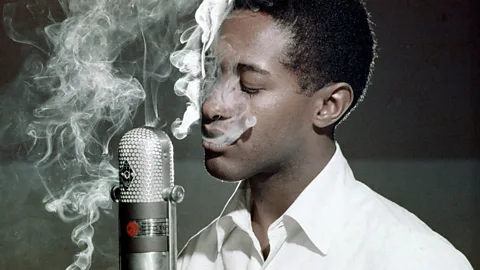
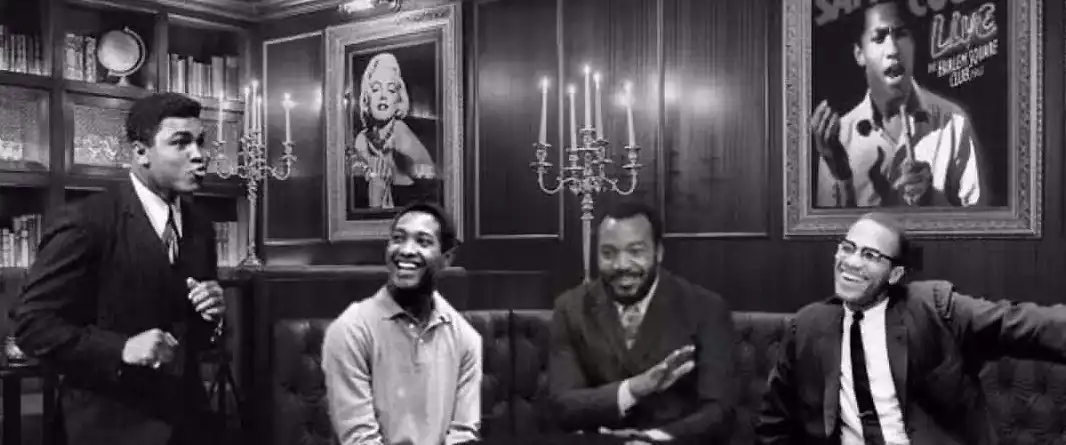
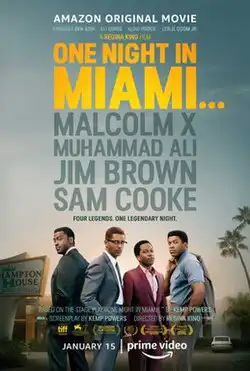
Friends With Legends: Ali, Malcolm X, and Jim Brown
Sam Cooke wasn’t just connected musically. He was surrounded by thinkers, fighters, and leaders.
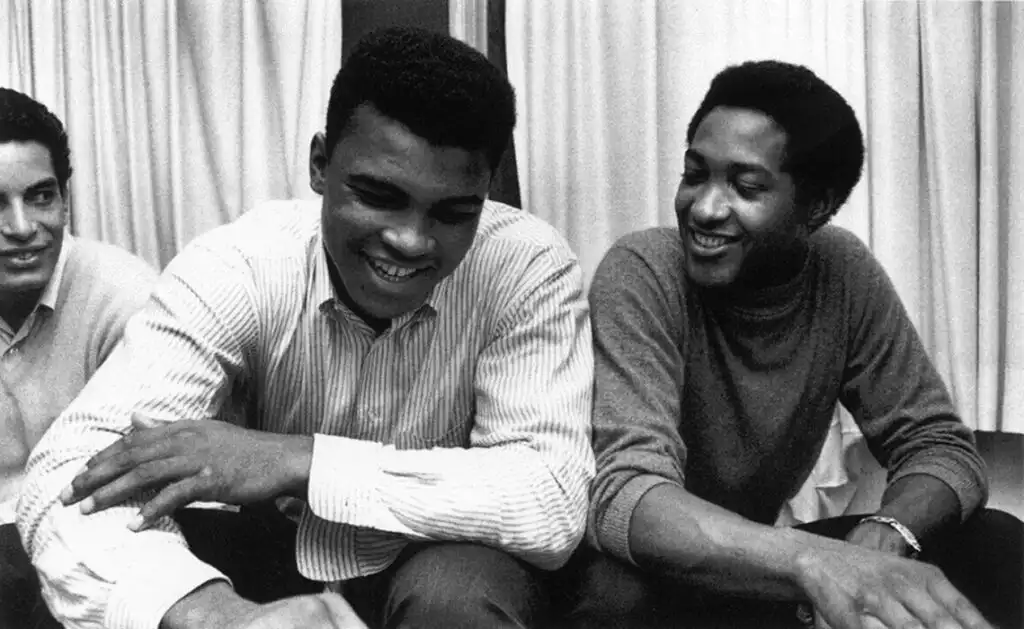
He was close with Muhammad Ali, at a time when Ali was becoming one of the most controversial figures in America. He respected Malcolm X, who challenged him to use his voice for more than love songs. He was part of a circle that included Jim Brown, one of the most powerful Black athletes in history.
These men weren’t just celebrities. They were symbols of Black excellence, resistance, and self-definition.
They stood for something.
And so did Sam.
He wasn’t loud about it. He didn’t give political speeches. But he made strategic choices. He supported the movement financially. He used his platform carefully. He created economic independence in an industry designed to deny it.
That kind of activism is quiet, but it’s powerful.
A Career Cut Short, A Legacy That Never Ended
Sam Cooke died at just 33 years old.
That’s younger than most artists even peak.
In less than a decade, he changed music forever. He influenced:
-
Otis Redding
-
Marvin Gaye
-
Al Green
-
Stevie Wonder
-
Aretha Franklin
-
Michael Jackson
-
Prince
-
John Legend
-
Leon Bridges
Every smooth male R&B vocalist owes something to Sam Cooke.
Every artist talking about ownership owes something to Sam Cooke.
Every singer trying to sound emotional without sounding weak owes something to Sam Cooke.
His career was short. His impact is infinite.
Connected Articles


Most Popular

More In Culture
Culture Lifestyle
Best Dressed Rappers

Culture Fashion
Rock Your Graphic Tees With New Black & Blue Denim Jeans
Business Culture Lifestyle
Nas, Steve Stoute, and Ben Horowitz Are Giving Back to Hip-Hop Legends
Culture Family Healthy is Wealthy Lifestyle
27 Years On: A Son’s Journey Through Ovarian Cancer — Symptoms, Support & Hope
Business Culture Success