
Fashion
Wu-Tang Clan and Streetwear: How 36 Chambers Changed Urban Fashion Forever
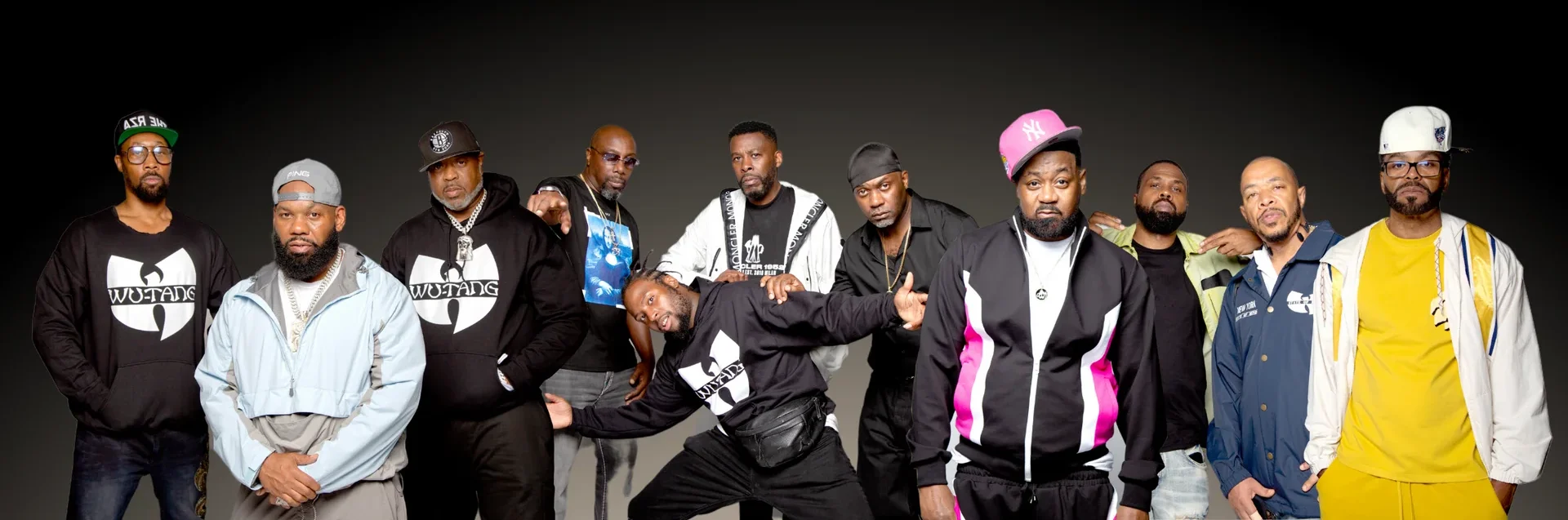
It has been over three decades since Enter the Wu-Tang (36 Chambers) redefined hip hop and permanently altered the cultural landscape. While the album is rightly celebrated as one of the most influential rap records of all time, its impact goes far beyond music. Wu-Tang Clan didn’t just create a sound—they built a visual identity that would shape street fashion for generations.
From Staten Island basements to global runways, Wu-Tang transformed everyday clothing into symbols of power, authenticity, and rebellion. Their influence on streetwear culture remains one of the most enduring legacies in hip hop history.
For me, Wu-Tang wasn’t just music—it was a mindset shift. A hoodie suddenly felt complete, intentional, and fully dressed. That moment marked the start of a new chapter in hip hop, when streetwear stopped being dismissed and started being elevated. It was raw, street, and grimy—but also cool, confident, and self-contained. Wu-Tang made it clear that style didn’t need approval. You made your own way. You defined your own look.
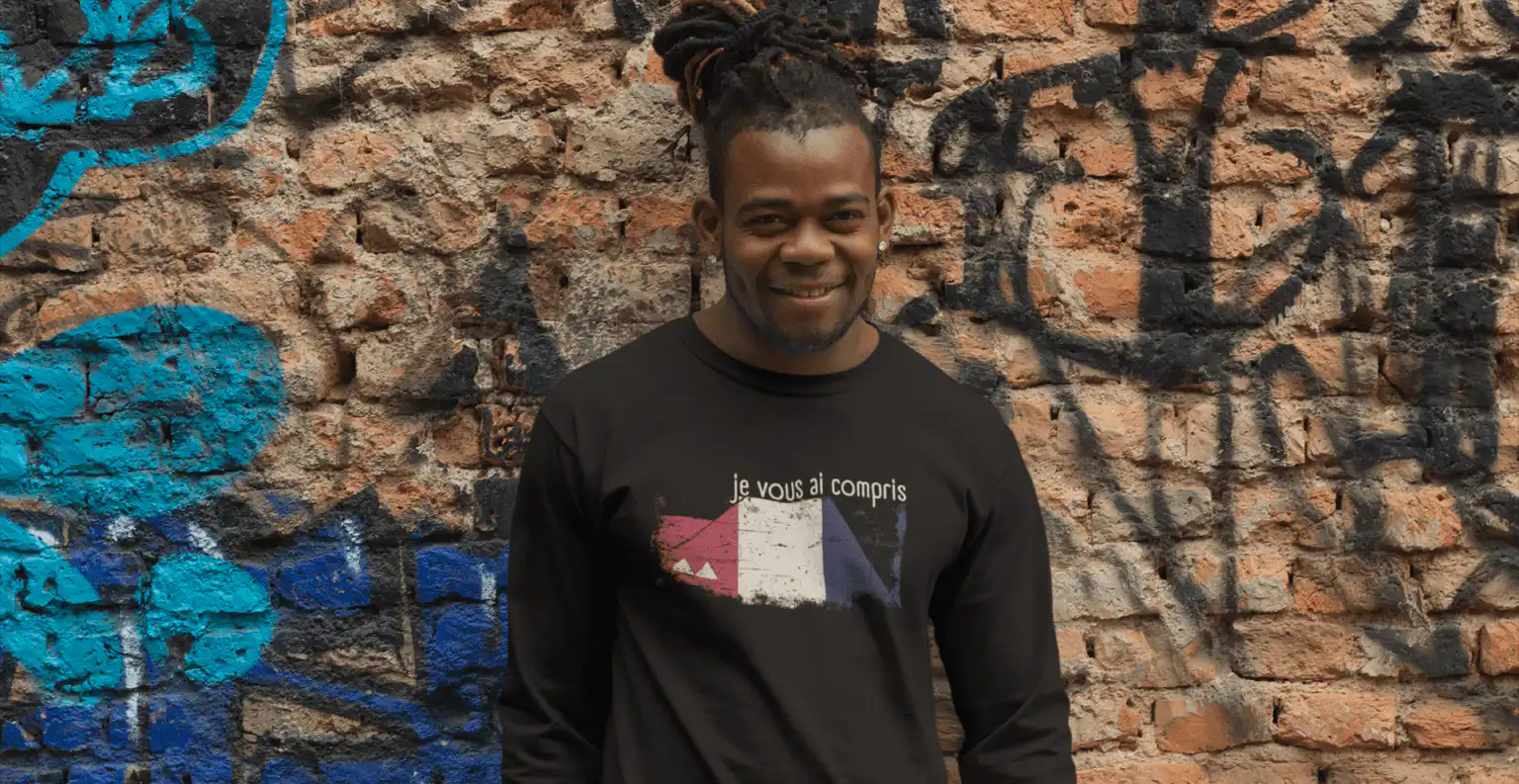
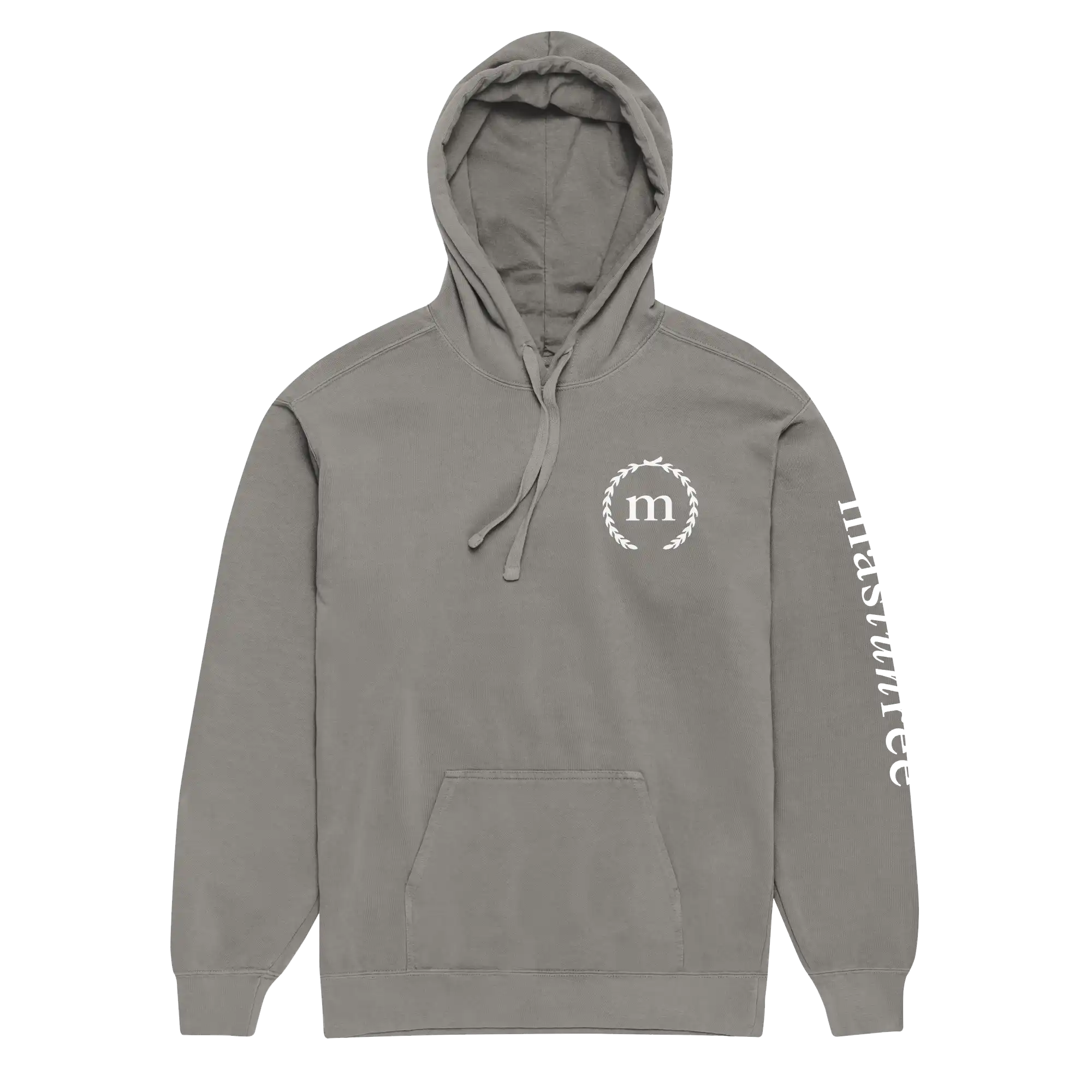
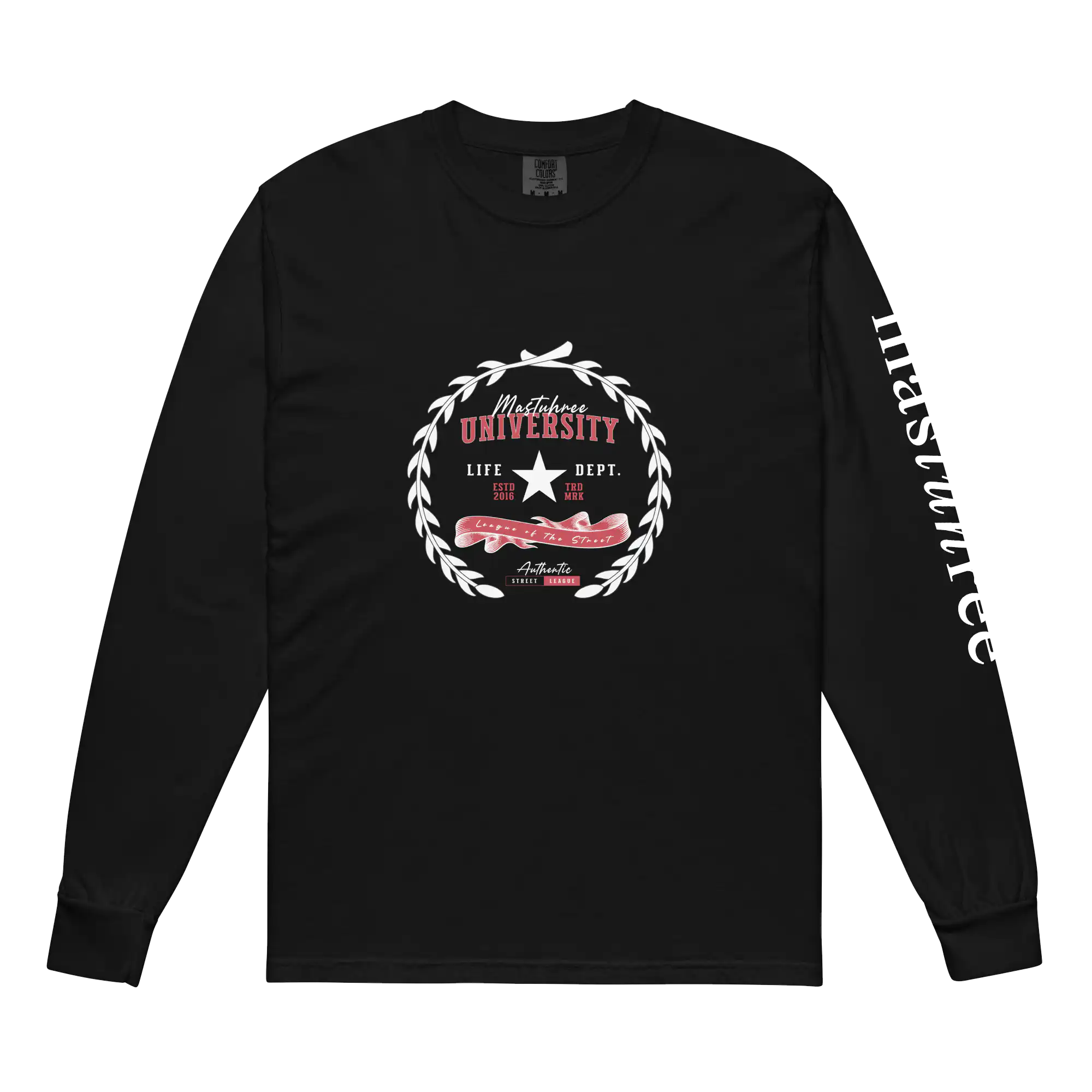
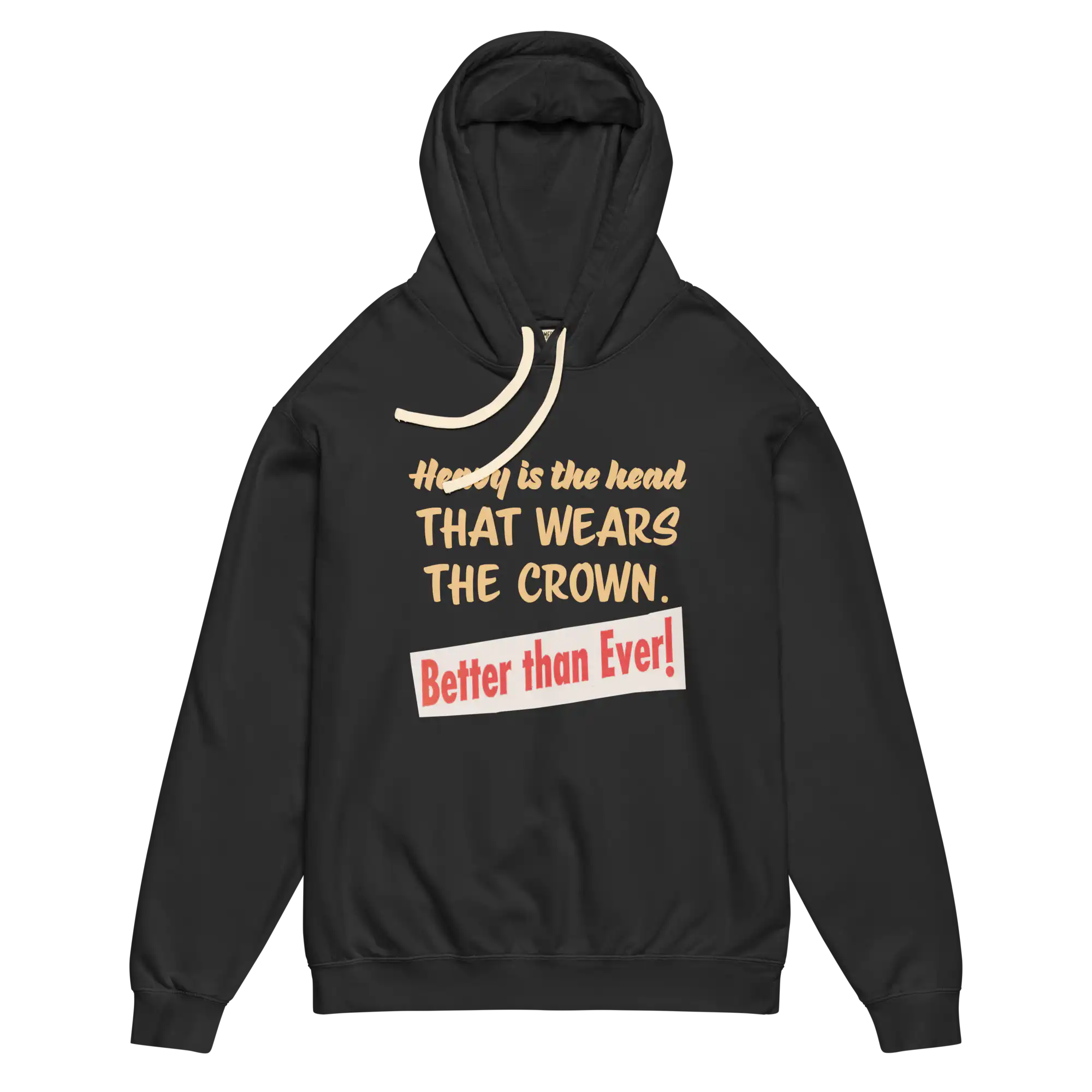
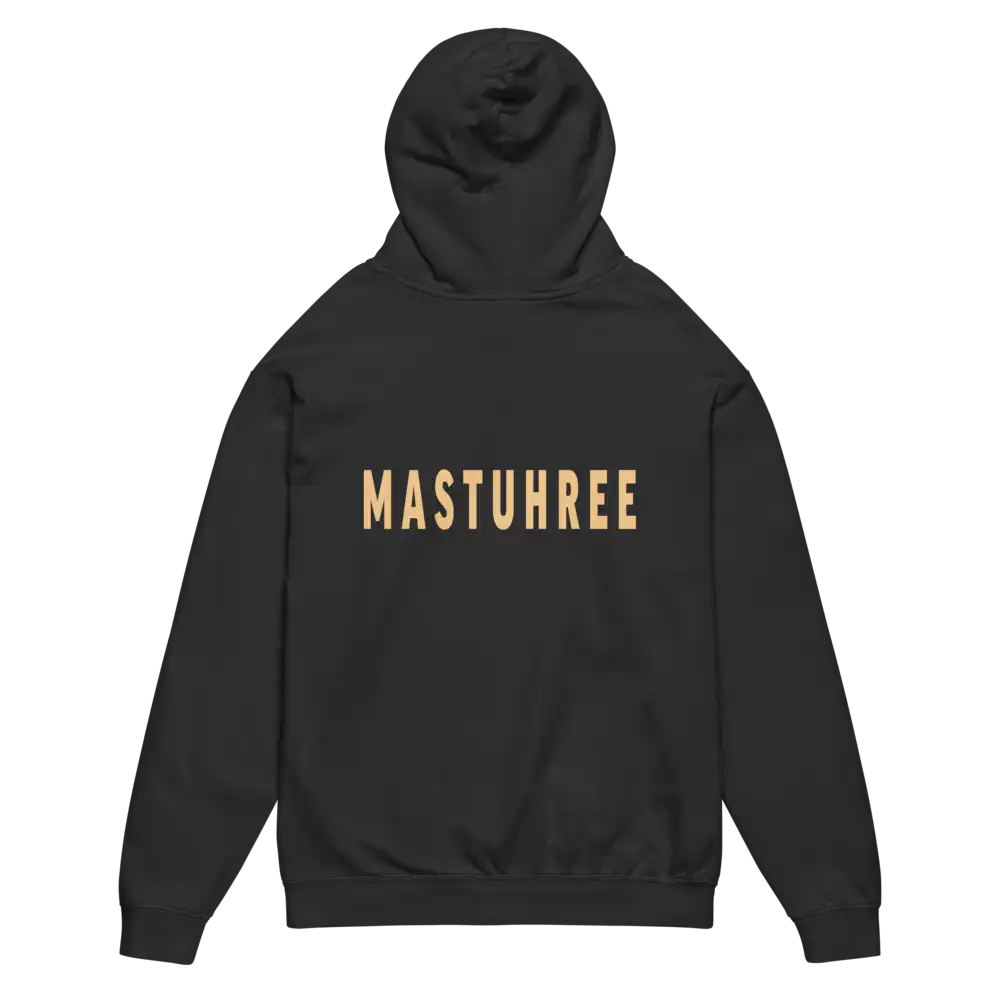
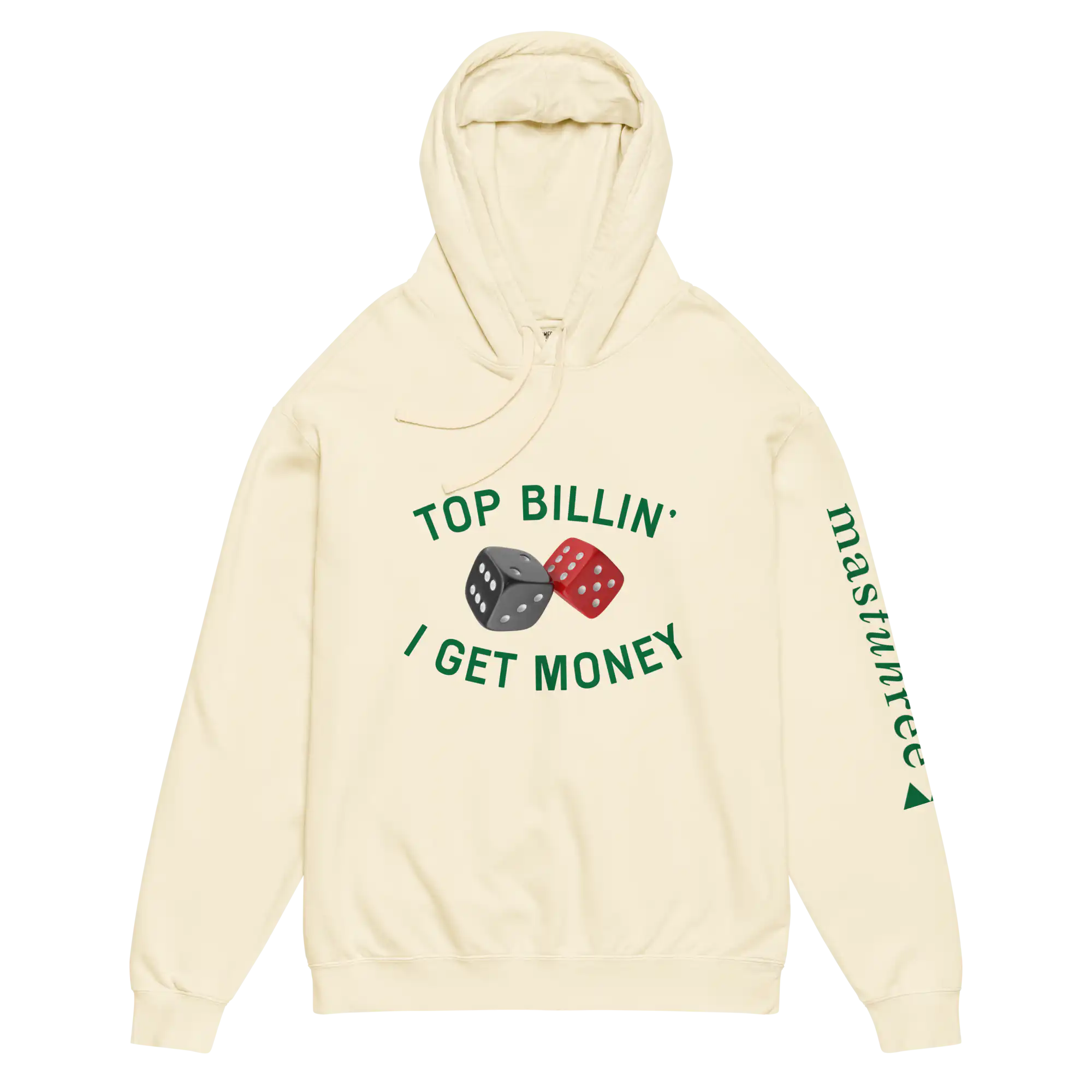
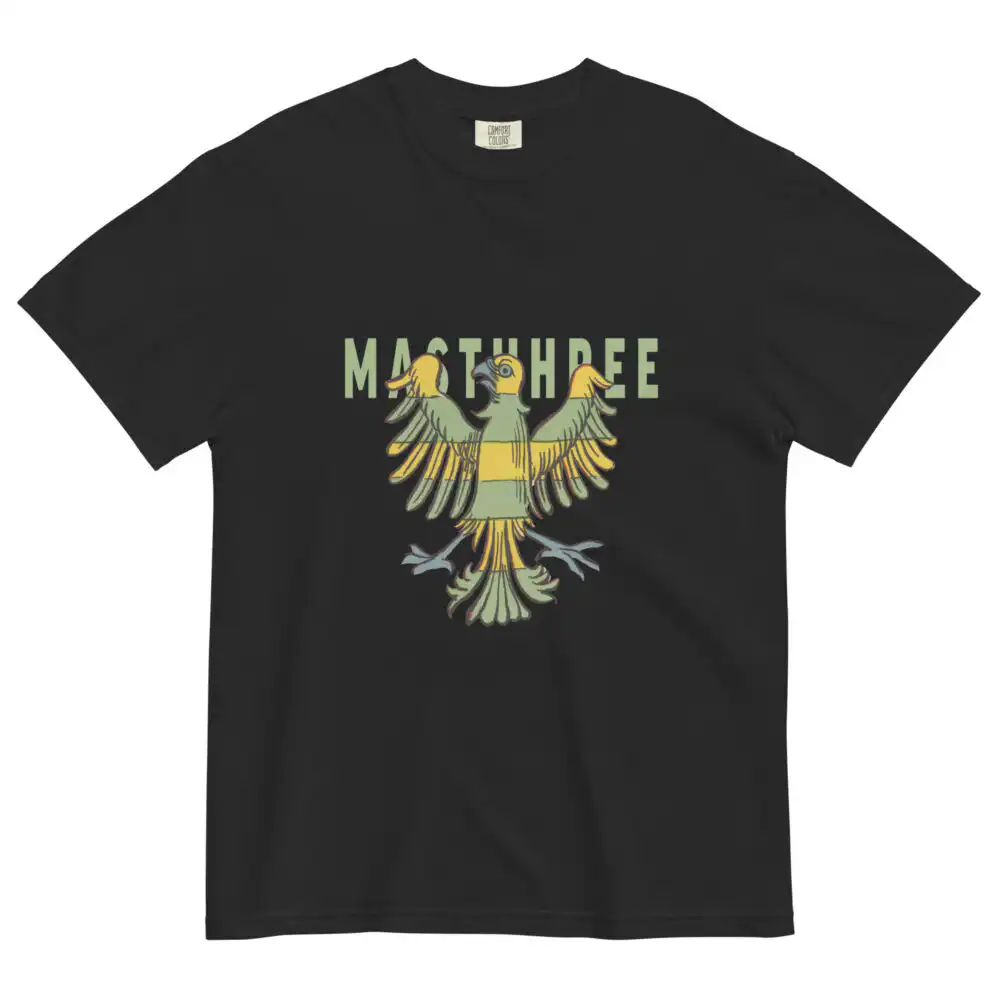
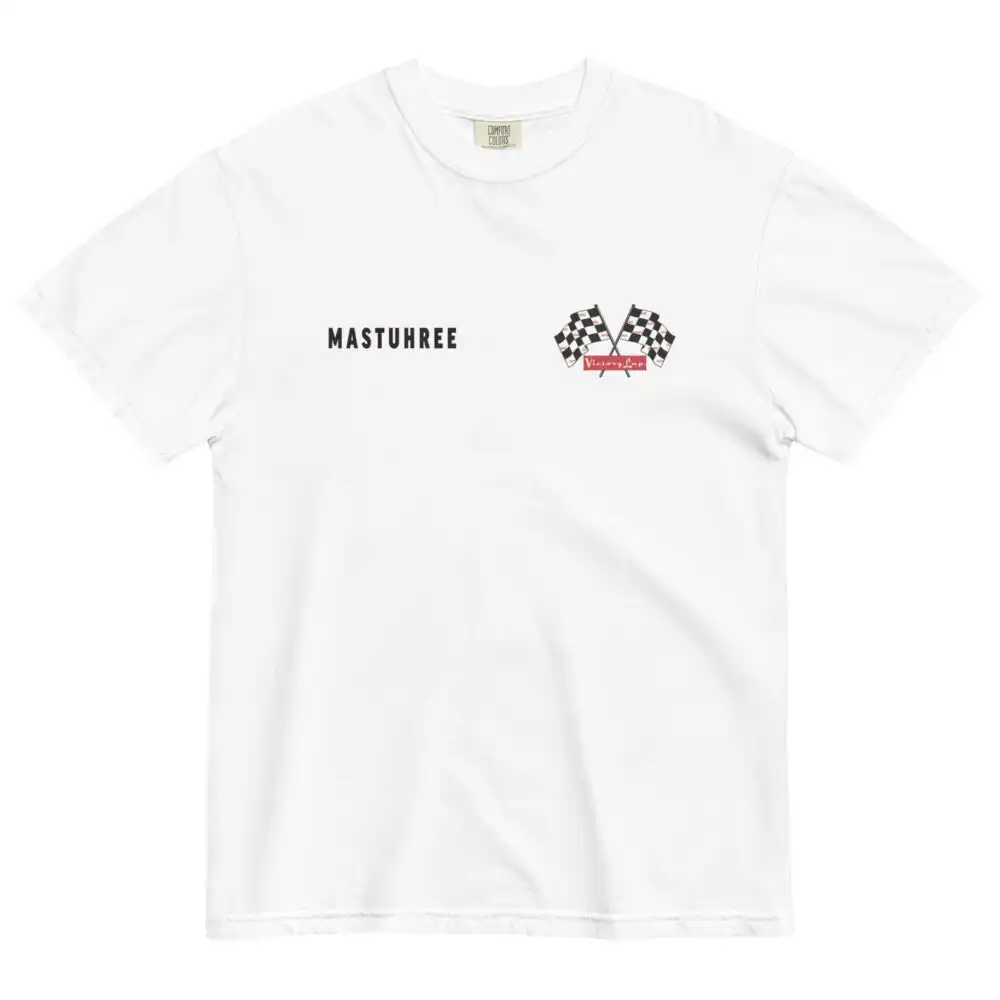
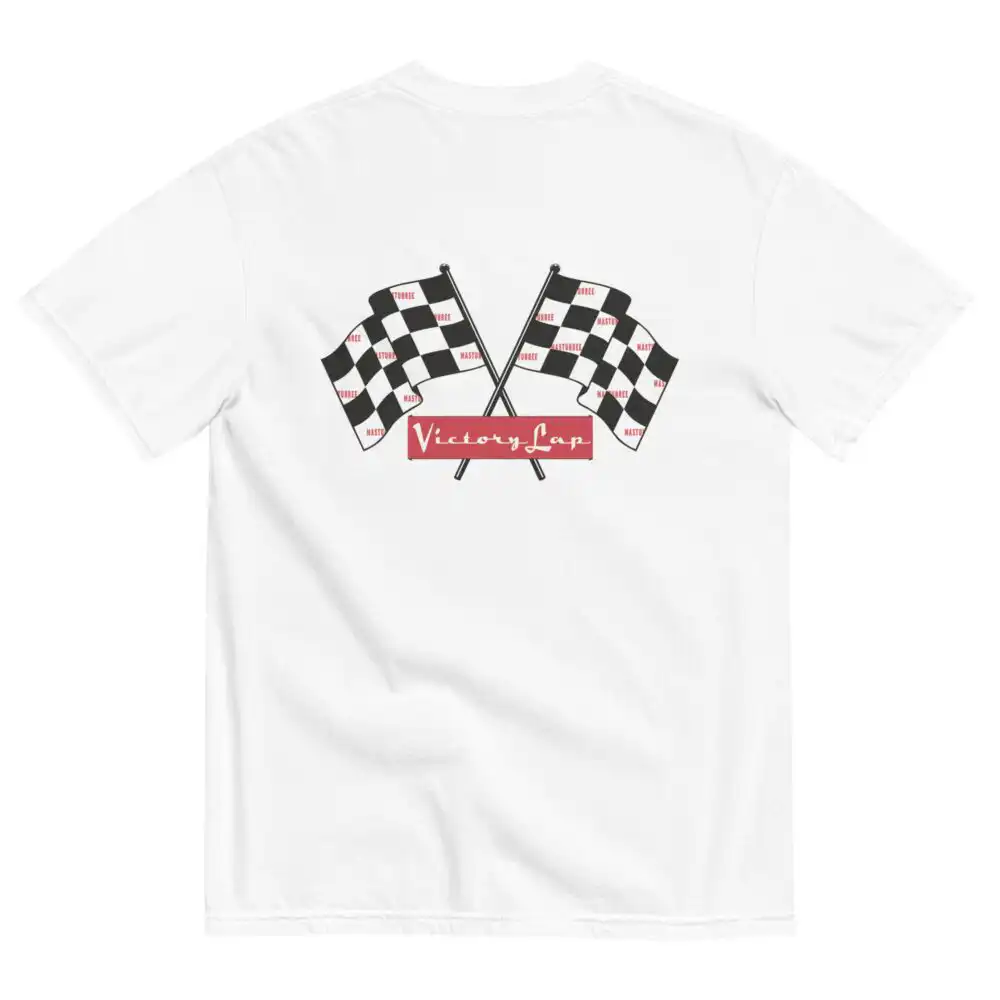
Inspired by the same hip hop fashion, Mastuhree designs carry the culture forward.

Roots of Authenticity: Fashion from the Concrete
Wu-Tang’s fashion influence began with something simple: truth. Their lyrics reflected raw urban realities, and their clothing followed the same philosophy. Oversized hoodies, baggy denim, Timberland boots, fitted caps, and rugged outerwear weren’t styled for trends—they were worn because that’s what real life looked like.
This authenticity became the foundation of modern hip hop street fashion. Long before “streetwear” was a marketing term, Wu-Tang made everyday survival gear into global style. They proved that fashion didn’t have to be polished to be powerful—it had to be real.
Wu-Tang didn’t dress to impress the industry. They dressed to represent their environment. That’s why their look felt so relatable, so influential, and so timeless.
Functional Inspiration: From Ski Slopes to the Projects
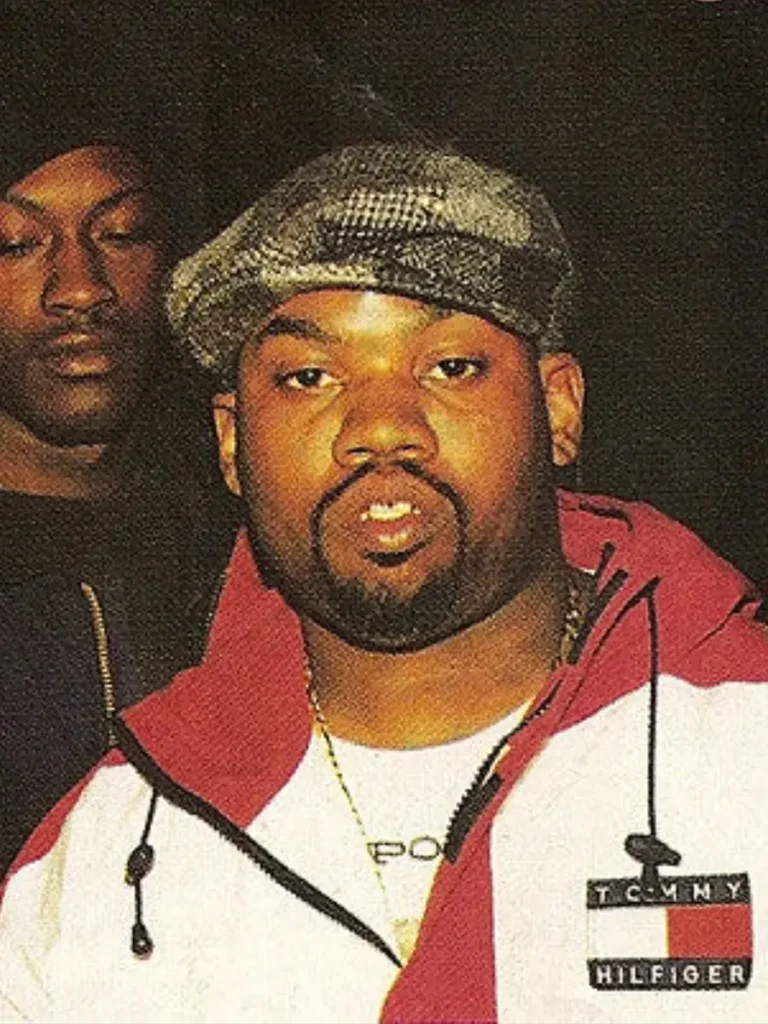
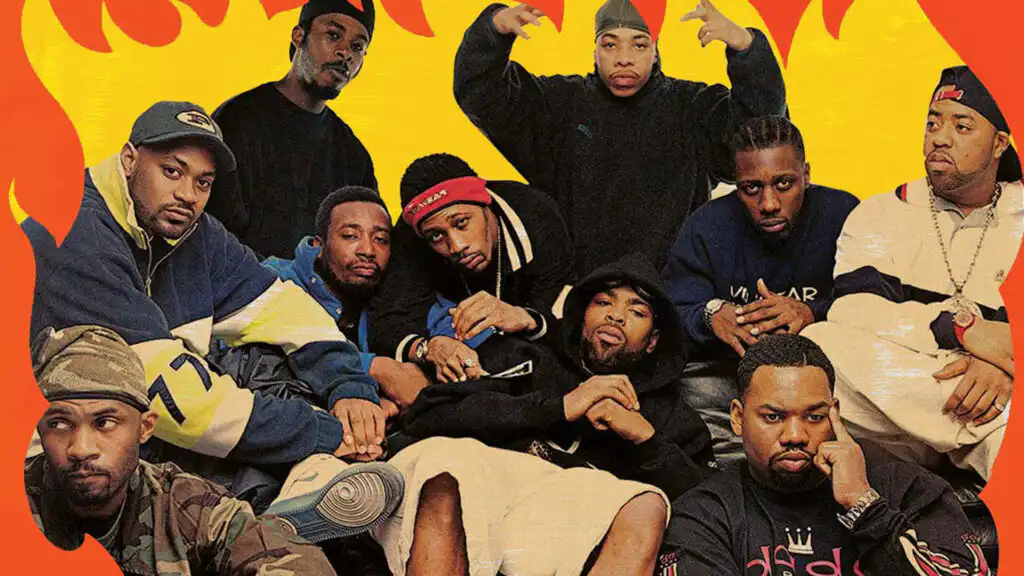
One of the most fascinating aspects of Wu-Tang’s fashion story is how they flipped elite outdoor gear into urban icons. In the early 90s, members of the Clan gravitated toward technical sailing jackets, ski pullovers, and expedition wear from brands like Ralph Lauren Polo and Tommy Hilfiger.
These weren’t brands designed for hip hop culture. But Wu-Tang recontextualized them.
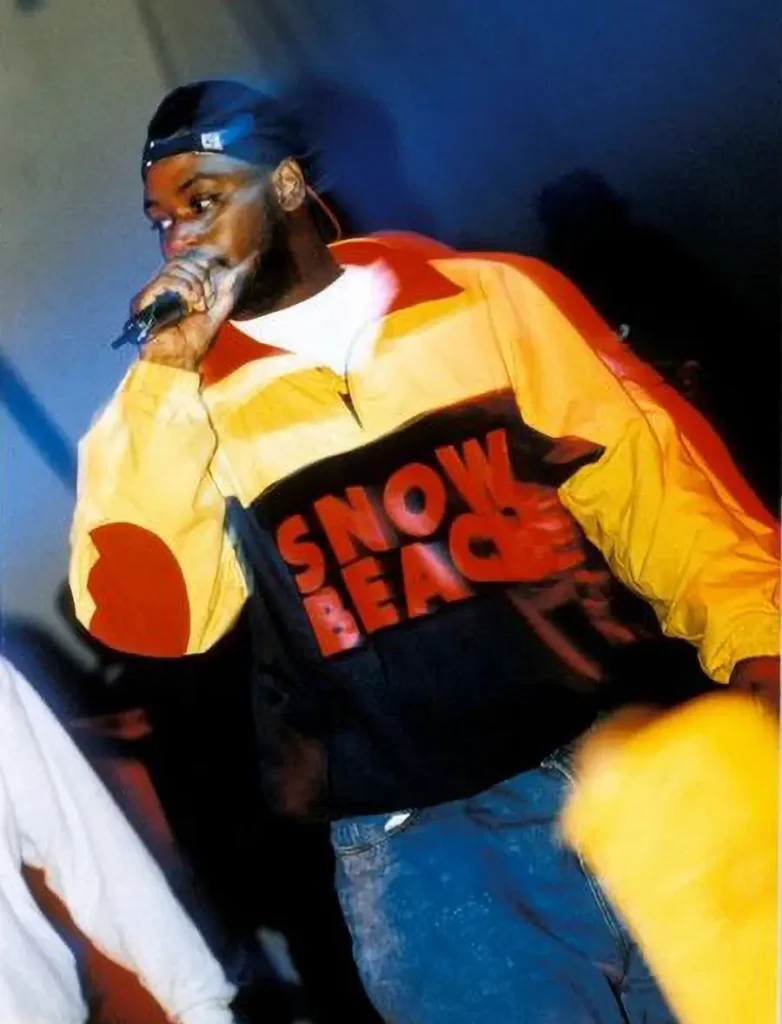
The most iconic example remains Ghostface Killah wearing the ultra-rare Polo Snow Beach pullover—originally designed for alpine environments, now immortalized in rap history. Suddenly, preppy luxury and rugged street culture collided, creating a visual language that still defines modern streetwear today.
Bold colors, oversized fits, utility pockets, and performance fabrics became part of hip hop’s aesthetic vocabulary because Wu-Tang showed how functional fashion could become cultural armor.
The Accidental Streetwear Brands: Polo and Hilfiger
Ralph Lauren and Tommy Hilfiger never set out to dominate streetwear. But Wu-Tang and their peers adopted these brands organically, transforming them into hip hop staples.
What started as upper-class Americana became urban luxury. Logos grew louder. Fits grew bigger. And the fashion industry had to pay attention.
Wu-Tang helped blur the line between high-end fashion and street culture long before luxury brands embraced hip hop openly. Today’s collaborations between rappers and fashion houses trace directly back to this moment.
Wu-Tang didn’t wait for permission—they made the culture adapt to them.
Wu-Wear: The Blueprint for Artist-Owned Fashion
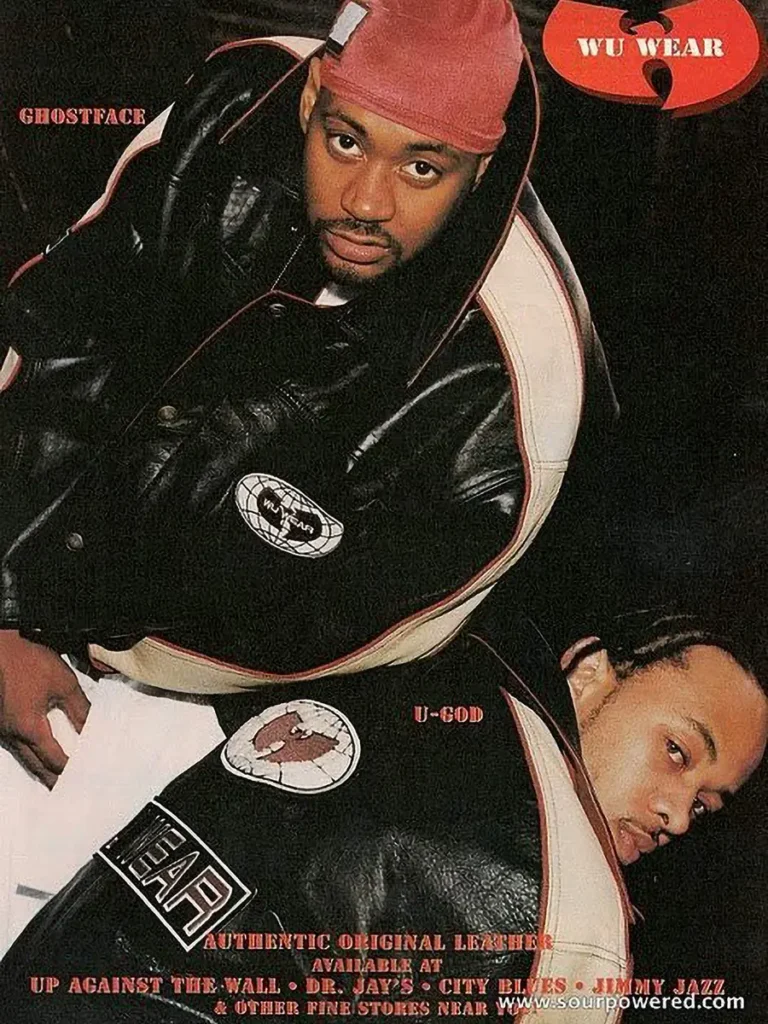
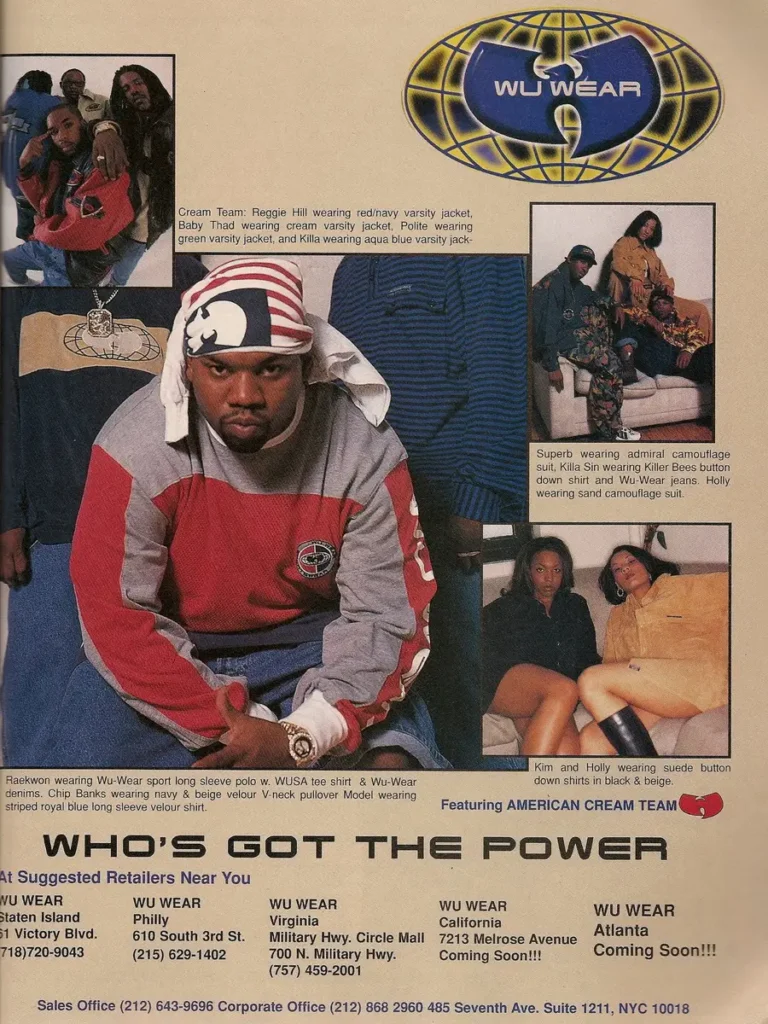
In 1995, Wu-Tang took full control of their image with the launch of Wu-Wear, one of the earliest successful artist-owned streetwear brands. This wasn’t just merch—it was a fully developed fashion label.
Wu-Wear featured bold Wu logos, oversized silhouettes, and designs rooted in hip hop identity. More importantly, it established a business model that artists still follow today.
Before Kanye’s Yeezy, before Travis Scott’s Cactus Jack, before Drake’s OVO—there was Wu-Wear.
Wu-Tang proved that musicians could own their fashion narratives, not just endorse them. They turned cultural influence into generational entrepreneurship.
The Nike Dunk and the Rise of Sneaker Culture
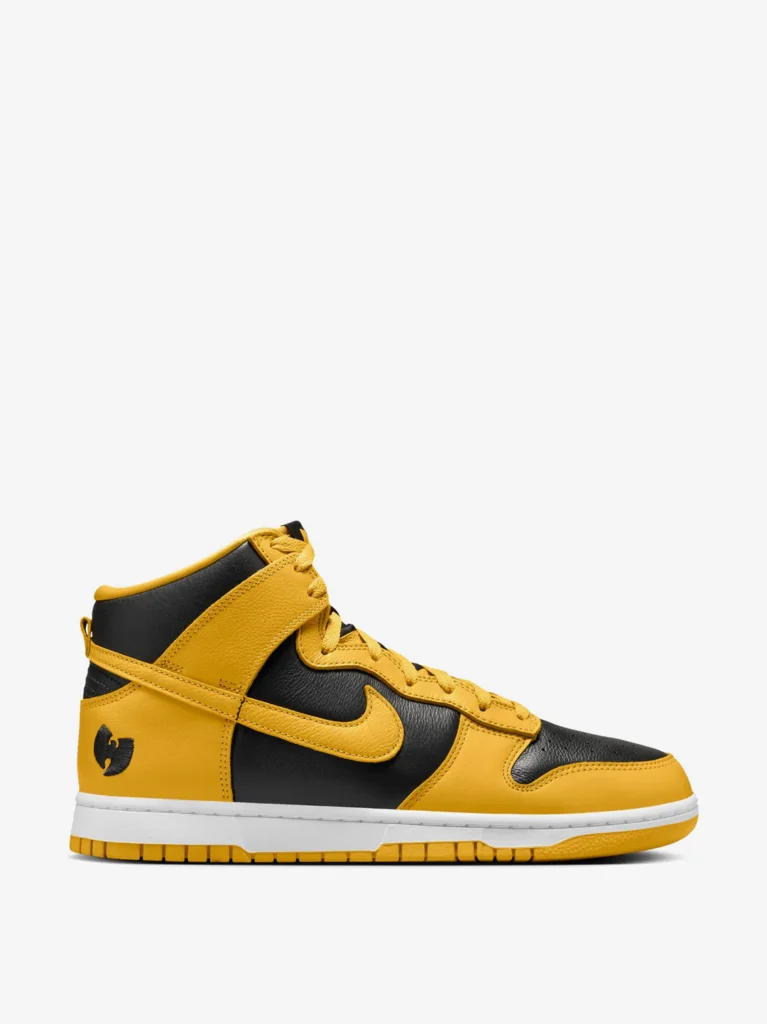
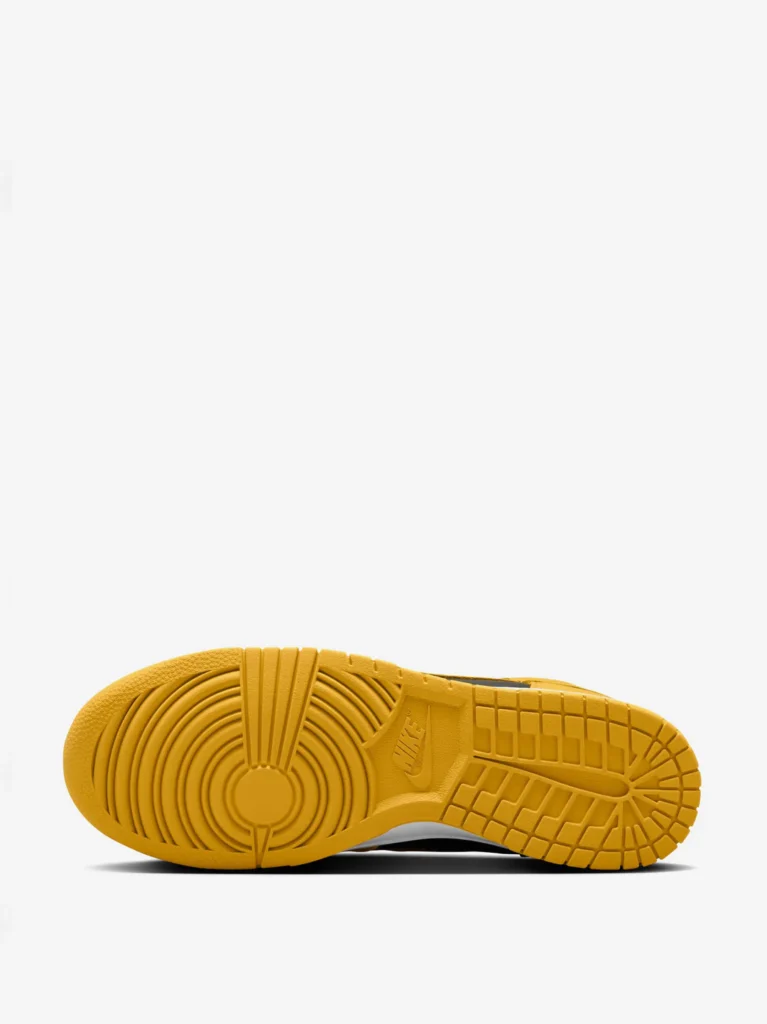
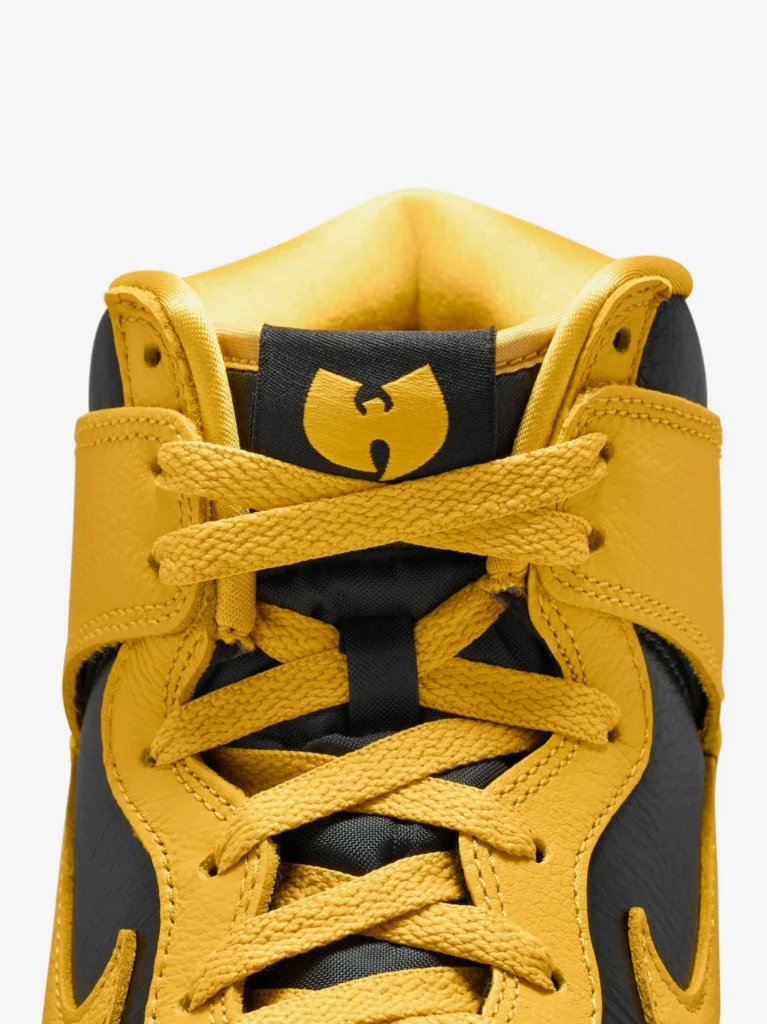
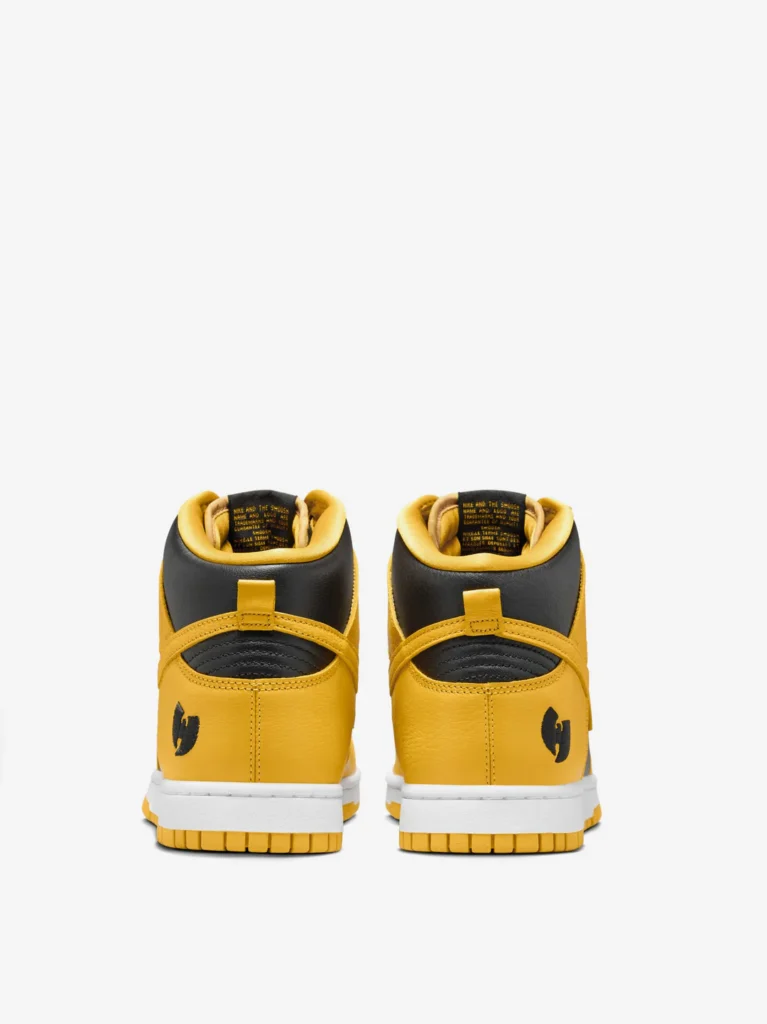
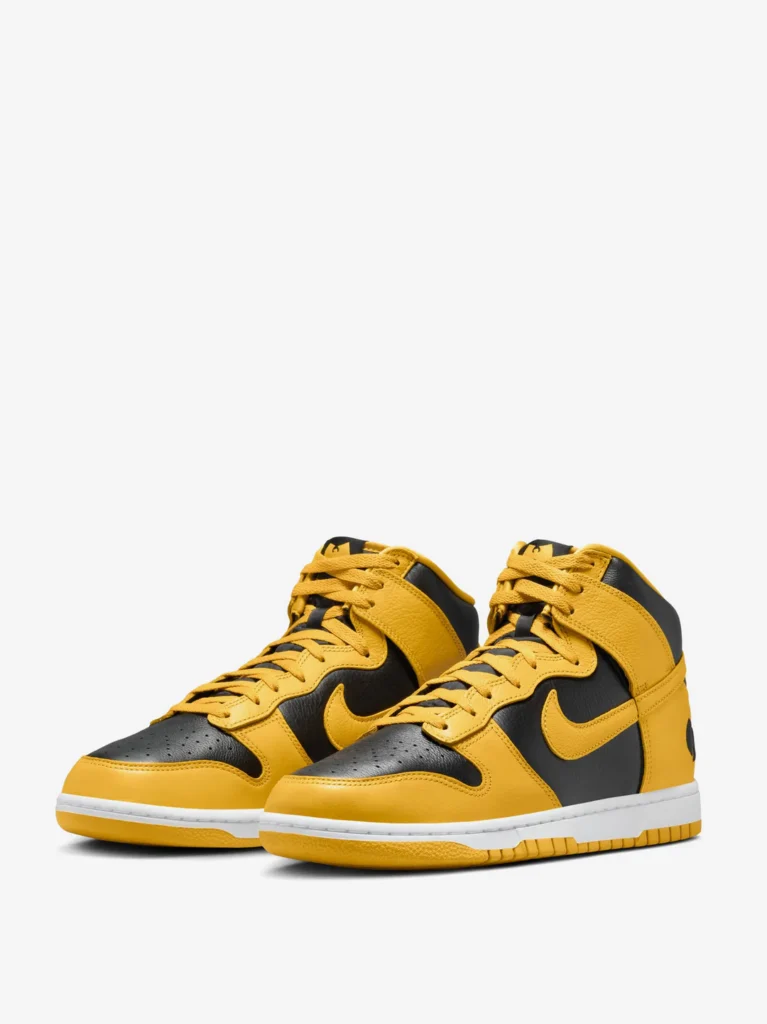
Wu-Tang’s impact on sneaker culture is just as legendary. Their original Nike Dunk High “Wu-Tang” release was limited to just 36 pairs, one for each chamber.
That sneaker became one of the most mythical grails in sneaker history.
Decades later, its official return reflects something deeper: Wu-Tang’s influence never faded—it simply matured. Modern sneaker culture owes much of its obsession with rarity, storytelling, and symbolism to moments like this.
Wu-Tang didn’t chase hype. They created it.
Shaping Modern Streetwear Culture
Today’s streetwear landscape—oversized fits, logo-heavy designs, luxury crossovers, limited drops—exists because Wu-Tang normalized these ideas in the 1990s.
Their influence is visible in:
-
Supreme’s branding philosophy
-
Luxury streetwear hybrids
-
The resurgence of 90s silhouettes
-
Artist-owned fashion labels
-
The cultural power of graphic logos
Wu-Tang showed that fashion could be cultural identity, not just consumption. They turned clothing into storytelling.
More Than Style: A Cultural Movement
Wu-Tang Clan’s legacy in street fashion isn’t about trends—it’s about transformation. They took what they had, wore what they lived in, borrowed from unexpected places, and built a global visual language that still shapes how we dress.
Streetwear today is a multi-billion-dollar industry. But its soul still traces back to a group of artists from Staten Island who made authenticity fashionable.
Wu-Tang didn’t follow fashion.
They taught fashion how to follow culture.
And that’s why their influence will never go out of style. 🐝
Connected Articles

Most Popular

More In Fashion
Business Culture Fashion
Fruition Hat Co.: A Black Designer Hat Company Redefining Fashion

Culture Fashion
Rock Your Graphic Tees With New Black & Blue Denim Jeans
Culture Fashion